Eli helps the school cook in Fort-de-France count the supplies for a class lunch. The computer has found a bargain on tomatoes. Six is written beside the price on both offers. The cook asks him to read the words after the number.
One offer sells six tins. The other sells six trays of tins. Eli fetches an empty tray and sets it on the counter. Suddenly the two prices tell a different story. They check how much food will fit on the shelves and how much the class needs.
The cook changes the order. Eli draws a box around the units on the copy for next week.
Discuss. What would you compare before calling one offer cheaper?
The sample from next door
A gardener takes a folded piece of paper to a local advice desk in Martinique. A digital assistant has found a soil result for a familiar family name. The outline on its map looks close enough to her vegetable beds. But the woman remembers the sampling team visiting her cousin across the road.
The officer sets the map beside the paper and asks for the sample number. The numbers differ. She removes the suggested result from the gardener’s file and rings the team responsible for sampling.
The gardener goes home with a contact and a reference for her question. Her cousin’s result stays with the plot where it was taken.
Discuss. Which piece of evidence links a result to the ground beneath someone’s feet?
 Caribbean AI Association

 Words for the Wind
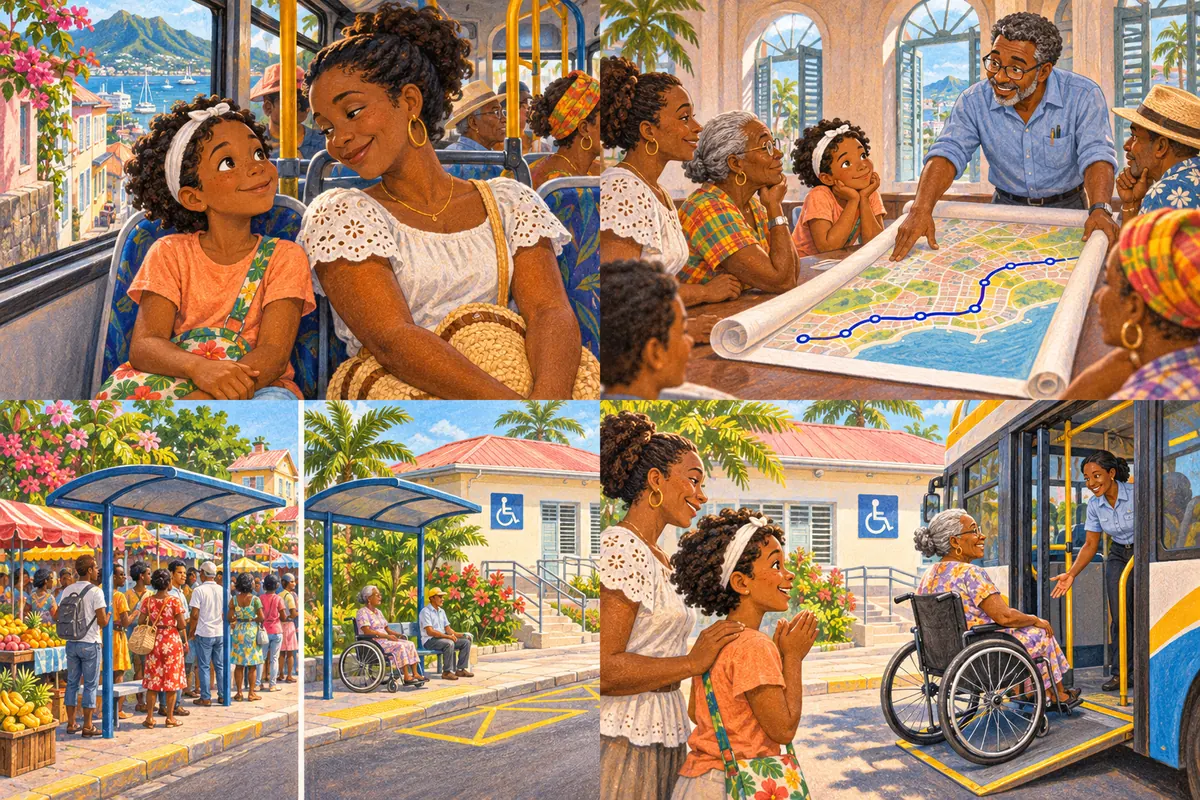 The Empty Bus Seat