María was helping her grandfather read a notice at a community centre in Ponce. The Spanish copy told him to bring a copy of his form. The English copy on the next chair asked for the original. He kept the original in a box at home.
María pointed to both lines. The volunteer who had tried the translation assistant called the desk that would receive the form. A copy was enough. They changed the English line and marked both sheets with the same date.
Before putting the chairs away, María rang her aunt, who had taken a photograph of the first sheet. The correction still had one more reader to reach.
Discuss. Who else might still have the earlier version after a notice is corrected?
An amber cell in the loading bay
A shipment planner in Caguas saw one amber cell on a screen full of green ones. The assistant had copied an order number into the space for a batch number. Both strings had the right length. The driver was already waiting.
Luis opened the original papers. The label and the packing sheet identified the batch, but a blurred scan made the last character hard to read. He asked the authorised quality officer to compare the physical label before he confirmed collection.
The truck left with a checked record. Luis added the blurred example to the next test set after removing the customer’s details. The colour of the cell had drawn his attention. The label supplied the answer.
Discuss. What should a planner be able to inspect when two identifiers look equally plausible?
 Caribbean AI Association

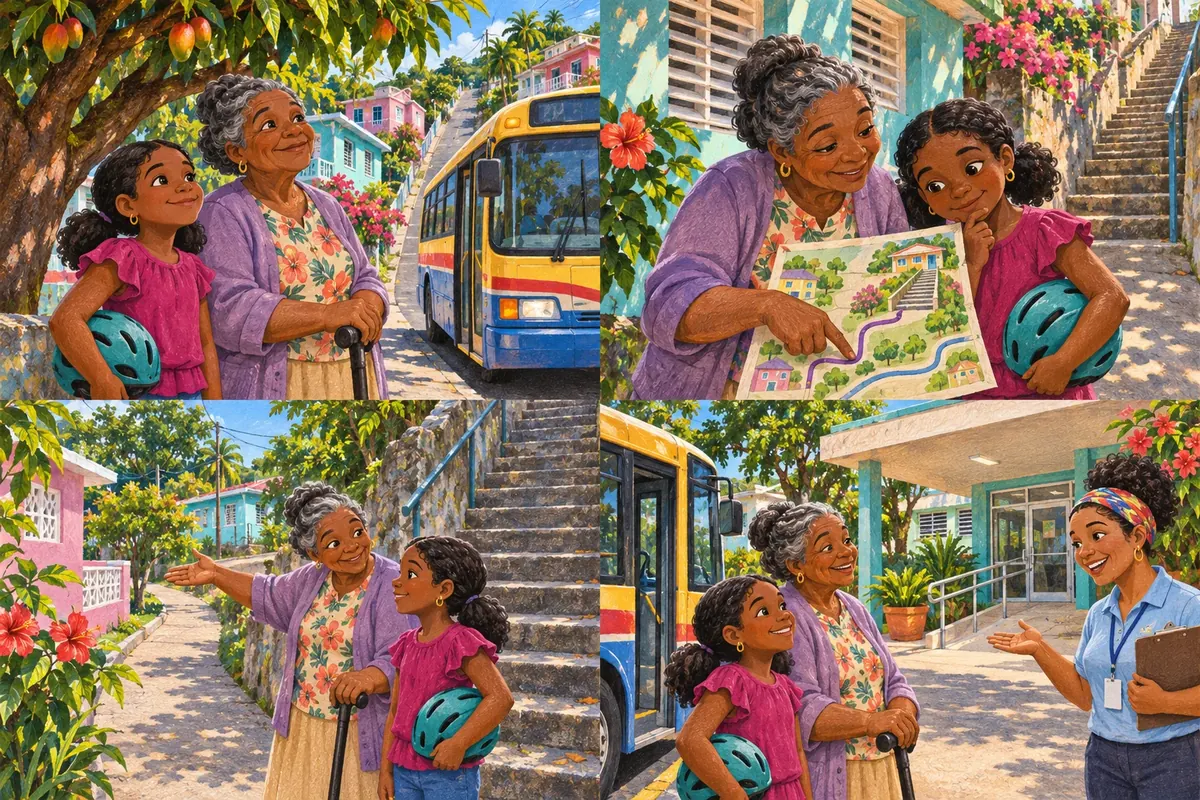 The Bus to the Clinic
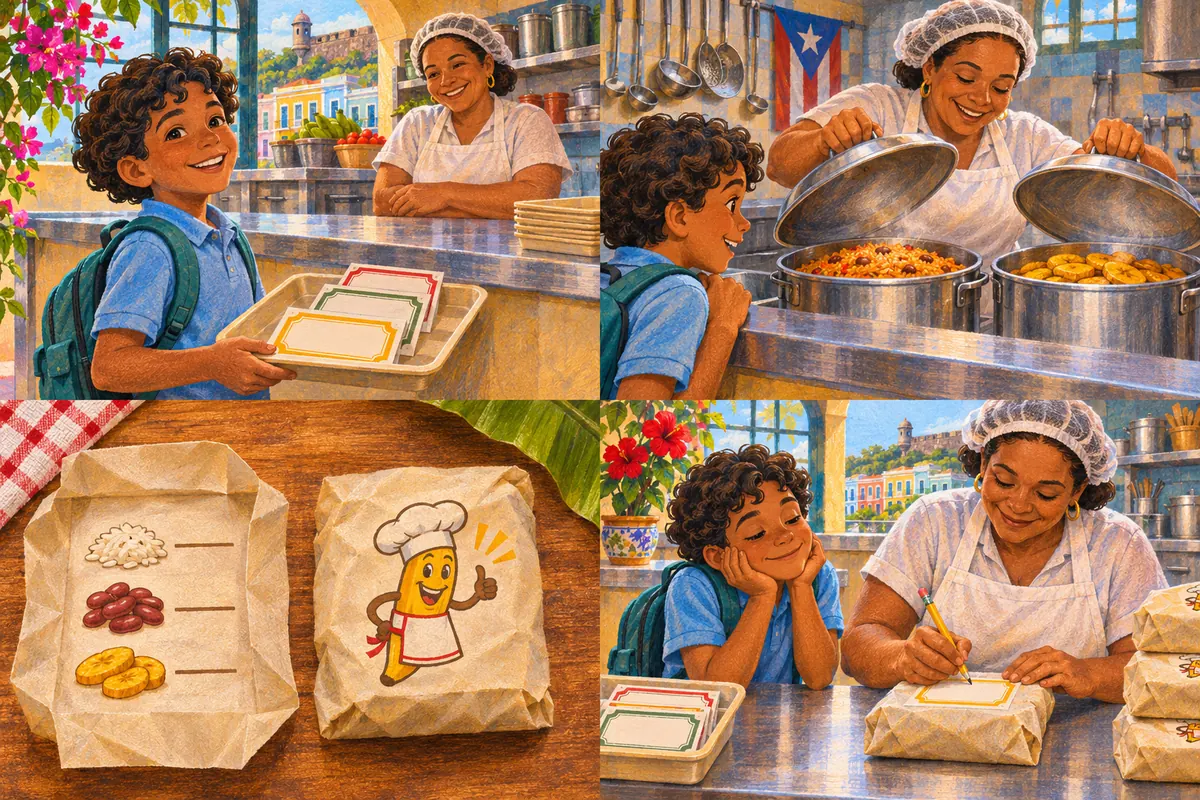 Labels for Lunch