 Caribbean AI Association
Venezuela AI framework
Independent CAIA consultation proposal • 27 November 2026 · Revision 2
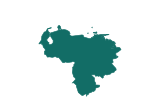
Along Venezuela’s Caribbean coast, a landing weight, a classroom recording and a lagoon photograph can acquire a second audience once they enter an AI tool. CAIA proposes a clear record of the original purpose, a path to correction and a local reviewer who can refuse a secondary use.
Read the research Download the editable edition (Word)
Four decisions for Venezuela
| Local priority | Decision the framework proposes |
|---|---|
| Economic | Trial the ledger on copies with kg and crate units clearly separated, and record adjustments signed by the buyer and crew representative. FAO, Venezuela fishery country profile |
| Social | Offer a paper or oral exercise to any learner who does not contribute a recording, and test that the recording can be deleted. UNICEF, Intercultural bilingual education in Venezuela |
| Political and institutional | Test a correction to a sample personal record and confirm that staff can identify each system that received the earlier version. Organization of American States, Constitution of Venezuela, Article 28 |
| Environmental | Separate approved visitor routes from survey coordinates and rehearse the withdrawal of one suggested stop. Ramsar Sites Information Service, Laguna de la Restinga information sheet |
Who acts first
Reconcile a sample day of sardine landings before any payment changes.
Proposed lead. Participating landing association and buyer representative
What to measure. Count disputed weights, unit errors and corrections completed before settlement.
Audit the public itinerary for sensitive survey locations.
Proposed lead. Participating reserve staff and local tour operators
What to measure. Count unapproved stops appearing in suggested routes and measure the time to withdraw them.
How the five regional checks apply
- Infrastructure
- Have locally chosen guides and park staff review proposed routes and how place names appear. Ask communities which stories and sites should stay off a visitor tool. Provide printed advice and a way to report a change without sending a traveller’s itinerary.
- Data and permissions
- Repeat only conditions and closures the responsible park authority has verified. Date each route, remove stale directions and leave a contact for urgent corrections. An online review cannot decide who controls a disputed boundary.
- Talent and local review
- Invite the visitor information lead and local guides to compare the output with local observations.
- Governance and suspension
- Name a person with authority to suspend the trial. Pause and review affected work if a route is published before the guide and responsible authority verify access.
- Adoption and public reporting
- Use the same case set and service channels for the current process and the trial. Publish completion, correction time and the decision to stop, revise or expand. Other Caribbean parks could test how quickly a visitor tool removes an outdated route. Venezuelan authorities and participating communities would keep control over local information within their respective powers.
Local approval and regional cooperation
Other Caribbean parks could test how quickly a visitor tool removes an outdated route. Venezuelan authorities and participating communities would keep control over local information within their respective powers.
Record the local approval, correction route and stop authority before exchanging results. Other jurisdictions can reuse the method and run their own tests. Regional recommendation 5.
Regional policy · Venezuela legal and safety guidance · Regional risk register
Related sector guides: Tourism, retail and small businesses.
A 90-day plan for the first service
Reconcile a sample day of sardine landings before any payment changes.
Proposed pilot lead. Participating landing association and buyer representative
A landing summary applies the wrong unit before a payment
Failure to test. A summary of sardine landings mixes units or duplicates a buyer’s weigh-in.
Evidence to retain. Keep signed weigh-in records, reconciled units and the parties’ disposition of disputed totals.
Pause condition. A payment change could follow a disputed weight or unverified unit.
| When | Proposed action and evidence |
|---|---|
| Days 1–30 | Participating landing association and buyer representative agrees the eligible cases, existing service measures, staffed alternative and authorised decision owner. Record reviewers and a cost estimate in local currency for staff time, testing, access and recovery. Identify the funding source and who would approve it. |
| Days 31–60 | Run the original and proposed routes on the same sample. Count disputed weights, unit errors and corrections completed before settlement. Report counted errors and eligible cases by channel and language where lawful, plus the time from error report to correction. |
| Days 61–90 | Witness the fallback, correction and restart before asking the accountable officer for a decision. Pause on the condition above. Record affected cases, unresolved issues, costs and the date for the next check. |
| Six months after live launch | Publish a lawful comparison with the baseline, including corrections, open complaints and the decision to continue, change or end the use. |
Sponsorship, funding and the proposed lead’s acceptance require a recorded local decision. Share test methods with Caribbean partners using the local data permissions.
Sector guide · FAO, Venezuela fishery country profile · Local evidence and sources · Regional high-impact use rules · Local risk scenario