
AI adventures for children
For ages 7 to 11. Teachers can use a pencil and paper for the activities. Allow extra time for children to explain their choices.
Try the stories with a friend, teacher or grown-up. You can do each activity with pencil and paper.
You do not need an account. Keep personal details private.

1. Can AI sort the shells?
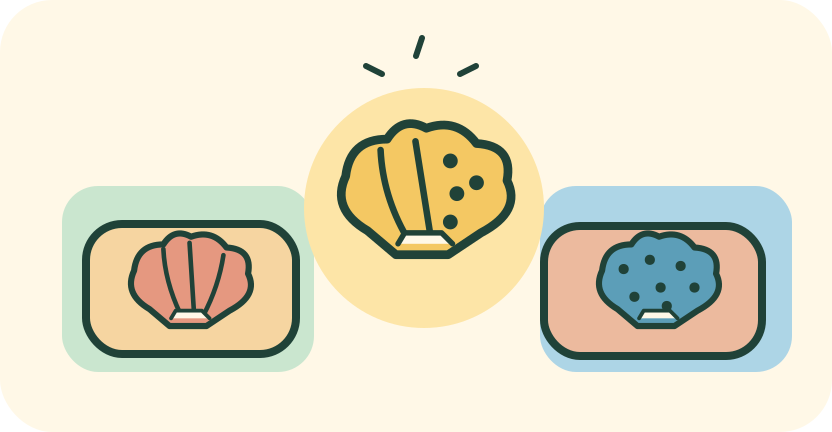
You find shells with stripes and spots. Artificial intelligence, or AI, can learn a sorting rule from examples. Start by looking for stripes and spots yourself.
Try it
Draw two striped shells and one spotted shell. Where would you put a shell with both?
Check your idea
Decide where to put a shell with both patterns, then explain your rule. An AI tool might guess if it has never seen that kind of shell.
2. Keep your details off the screen

An online drawing tool asks where you live so it can make a picture of your street. You can describe an imagined street without telling the tool how to find you.
Try it
Which would you use for the drawing: your home address or “a yellow house beside a mango tree”?
Check your idea
Use the yellow house and mango tree. Keep your address and school name off the screen, and ask a trusted adult before sharing a photo.
3. Give the artist credit
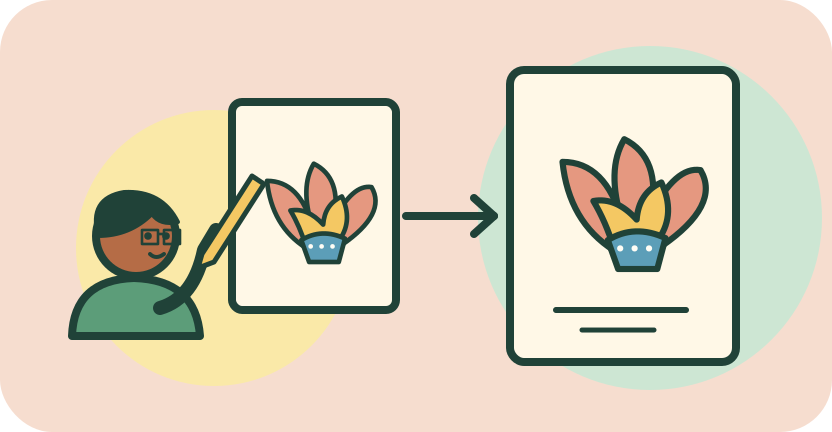
Your class wants to put a Carnival drawing made by a local artist on a poster. The artist still made the drawing if an AI tool changes its colours.
Try it
Before putting the drawing on the poster, what would you ask the artist?
Check your idea
Ask if you can use the drawing and change its colours. If the artist says yes, add their name the way they ask.
4. Keep a lesson ready without Wi-Fi
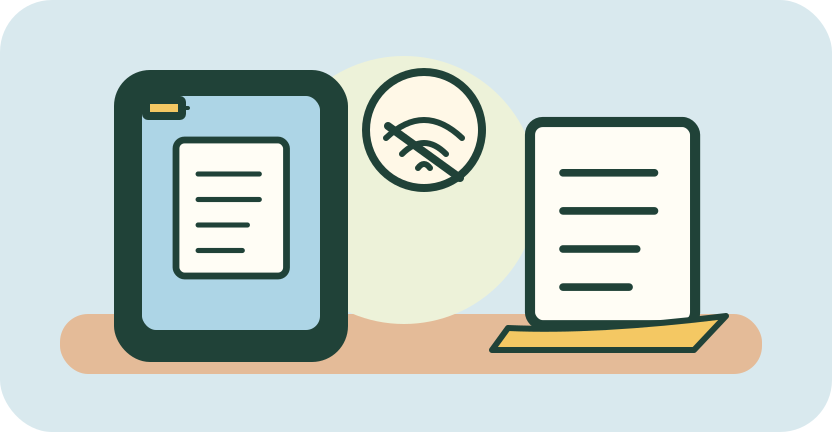
The internet cuts out during a lesson. A worksheet already saved on a charged phone can still open without Wi-Fi.
Try it
What could your class use if the phone runs out of power, too?
Check your idea
Keep a paper copy. Try opening the saved worksheet without internet before you need it.
5. Check the map before the beach trip
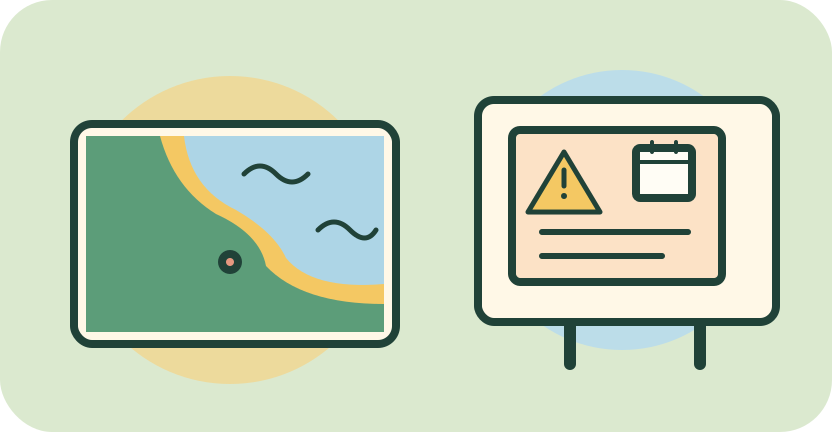
AI can help scientists look for changes in sea temperatures over many years. An AI map for your beach trip can still miss a change in today’s weather.
Try it
The AI map looks calm, but the weather office has an alert. Which would you show the adult taking you?
Check your idea
Show the adult the weather office alert. Ask them to check if it covers your beach. Follow the weather office’s advice.
6. Ask a person to check the list
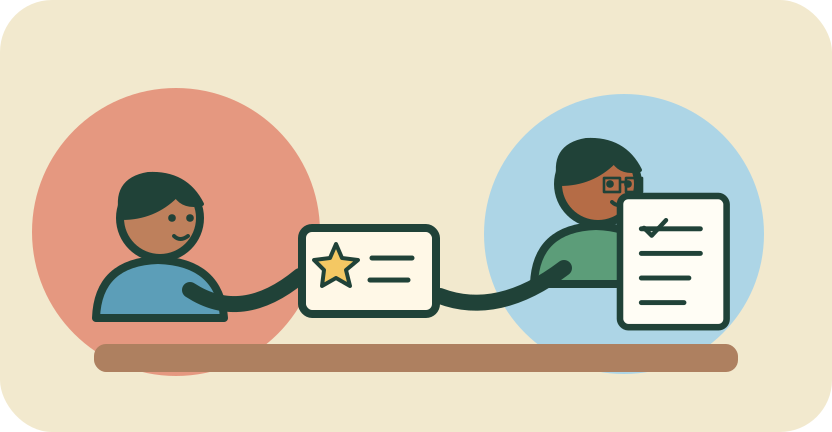
A computer leaves your name off the school team list. Your teacher can check the sign-up sheet and fix the mistake if your name is there.
Try it
What would you show the teacher to help them check?
Check your idea
Point to the sign-up sheet or show your sign-up slip. The teacher can look at what happened before making a decision.
7. Share the test across the sea
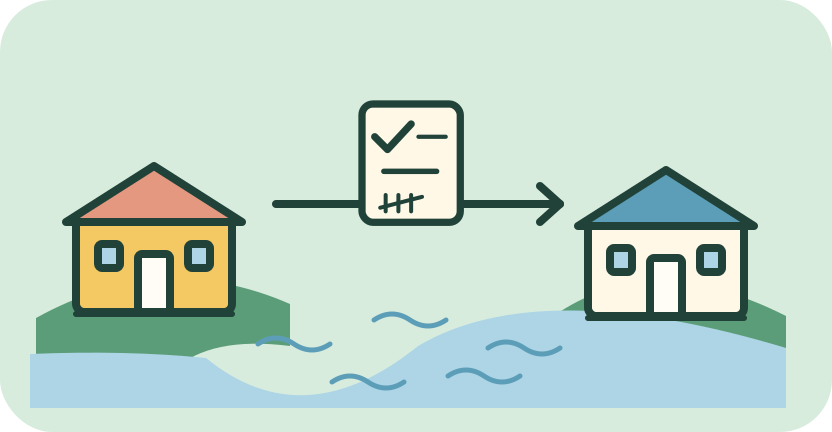
A teacher in Jamaica reads a made-up sentence to see what a speech tool types. A teacher in Saint Lucia can try the same sentence in their own accent.
Try it
What could the teachers exchange without sending recordings or names?
Check your idea
They can share the steps and the number of mistakes, such as “2 mistakes out of 10 words”. Each teacher can run the same test with their own accent.
8. Would AI help with this job?
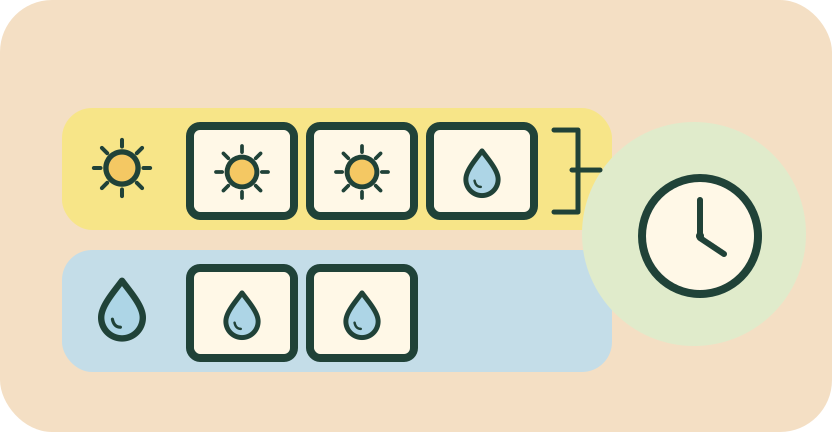
Your class needs to sort five weather picture cards. A tool can sort them quickly and still put the wrong card in a pile.
Try it
Make two piles, sun and rain. Ask a friend to try your sorting rule. What would you count before deciding whether to use a tool next time?
Check your idea
Count the mistakes. Add the time it took to find and fix them before you decide which method was faster.