A CAIA Initiative · Now recruiting, on a rolling basis
The Plain Law Project
Every law, regulation and government document in the Caribbean, in words any person can read.
The Charge
You are bound by laws you have never been able to read
Across the Caribbean, the rules that govern work, land, rent, tax, family and money are scattered across gazettes, ministry websites and bound volumes. When you do find them, they are written for lawyers. Most people sign a loan, a lease or an insurance policy without understanding what they agreed to.
The Plain Law Project fixes that. We will map every law, regulation and official document for every Caribbean country, collect them in one open place, and publish each one in clear, short, plain language, checked by a lawyer and linked to the original. Then we do the same for the financial contracts people sign every day.
AI helps us do it at the scale of a whole region. People make sure it is right: lawyers, writers, experts in each field, technologists and students, working together.
Why it matters
Democracy
People who can read the rules can question them, vote on them and change them.
Transparency
Every law and every official decision, in the open, where anyone can check it.
Education
Civics that starts with the actual laws of your own country.
Literacy
Legal and financial literacy for people who were never taught to read a statute or a loan agreement.
What we will build
Six pieces of work
Map the law
Find and collect every act, regulation, statutory instrument and official government document for every Caribbean country and territory, in one open index.
Write it plainly
A short summary and a plain-language version of each one: what it says, who it affects, and what it means for you.
Check every word
A qualified lawyer reviews every plain version before it is published. The original text is always one click away.
Make contracts readable
Plain guides to the financial contracts people sign most: loans, mortgages, leases, insurance policies, bank terms and hire purchase.
Publish for everyone
Web, mobile, audio and print, in English, Spanish, French, Dutch, Kreyòl and Papiamentu, designed for the phone in your pocket.
Keep it current
Laws change. We track amendments and new gazette notices so the plain version never falls behind the law it explains.
The second track
Know what you are signing
A car loan, a mortgage, a lease, a hire-purchase agreement, an insurance policy, the terms on a bank account. These are the documents most likely to cost a family money, and the ones least likely to be read.
The Money and Contracts Group will publish plain guides to each common type: what the key clauses mean, the questions to ask before you sign, and the consumer protection laws on your side in your country.
Who we need
Six working groups
Pick the group that fits what you know. Students are welcome in every group, and have one of their own. You can join more than one.

For students
Study law or governance? Start with the real thing.
Students in law, governance, public policy, political science, economics, journalism, computer science and related fields can join any working group. You will work on actual legislation from your own country, alongside practising lawyers and experts, and your name goes on the work you do.
Secondary, undergraduate, postgraduate and professional students are all welcome.
Sign up as a studentOur targets
What we are aiming for
Every
Caribbean country and territory
A complete, open map of its laws, regulations and official documents.
Everyday law
first
Work, rent, land, family, tax, consumer rights and elections go first in every country, because those are the laws people meet most.
Every
common financial contract
Plain guides to the loans, leases, insurance and bank terms people sign most often.
100%
lawyer-reviewed
No plain version goes live until a qualified lawyer has checked it against the original.
Free
for everyone, always
No paywall, no account needed to read. The index and the plain versions are open data.
Map
Build the index of laws, regulations and official documents, country by country.
Explain
Publish reviewed plain versions, starting with the everyday laws and common contracts.
Reach
Take it into schools, libraries, community groups and newsrooms, in every major language of the region.
Plain versions published by the project explain the law. They are not legal advice. The original text is always linked, and it is the original that has legal force.
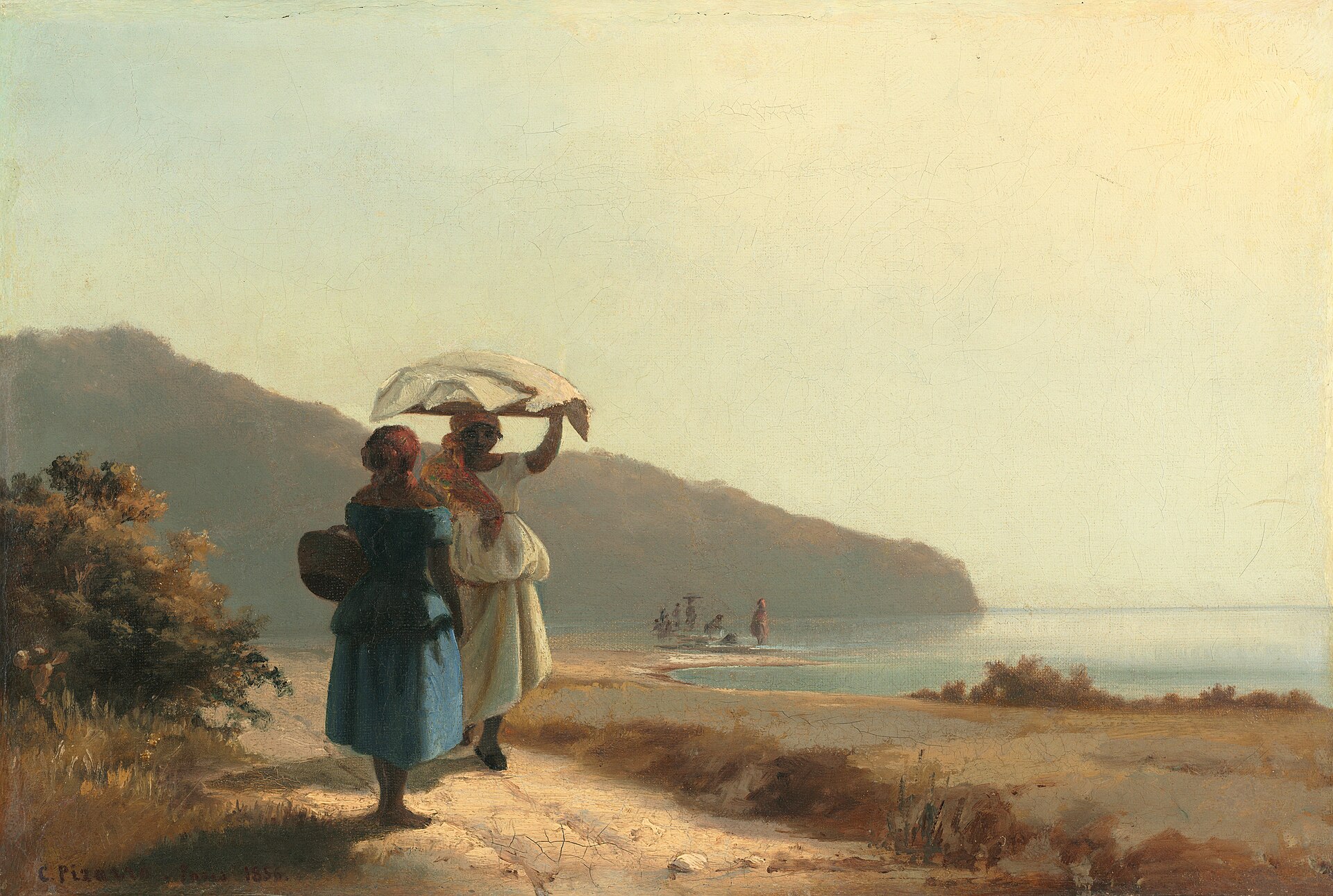
About the art: the works on this page are an even mix of European, Caribbean and African art, all in the public domain. Each one is credited beside it.
Rolling sign-up · No deadline
Help every Caribbean person read the rules they live by
Sign up any time. It takes about three minutes. Add your LinkedIn or a CV if you like, and we will match you to the work that fits. Taking part is free.
Join the Plain Law Project